
Make the AI inside your product measurably better.
We benchmark AI models on real business work and publish everything: results, method and limits. Then we apply the same checks to the AI in your product, so you know what to fix before it ships.
See the benchmarksTalk to us- Our own benchmarks
- Ranges, not just ranks
- Method on every page
- 1Claude Opus 5.5Anthropic 84
- 2GPT-6.1 SolOpenAI 79
- 3GPT-6 AstraOpenAI 78
- 4Gemini 4 ArgonGoogle 75
- 5Muse WonderMeta · provisional 71
- 6GPT-6 SolOpenAI 68
Benchmarks built from real business work.
CatalogBench
Can a model turn a product feed and photos into a listing that is ready to publish, without making things up?
DeckBench
Can a model turn an analysis into a deck you could present without fixing it?
95% range 1,471–1,718, overlapping GPT-6 Sol and GPT-6.1 Sol and 2 more: not a clear lead. Head-to-head rating: a 400-point gap is 10:1 odds.
SurveyBench
Can a model plan a user survey and read its results without being misled?
95% range 1,447–1,579, overlapping Muse Wonder and GPT-6.1 Sol: not a clear lead. Head-to-head rating: a 400-point gap is 10:1 odds.
ROASBench
Given a year of ad spend decisions, which models grow revenue and which ones burn the budget?
Out of 100.
BulletBench
When thinking time comes off the clock, which models are quick enough to still make good decisions?
95% range 641–1,081, overlapping Gemini 3.1 Flash-Lite and Gemini 3.5 Flash and 12 more: not a clear lead. Elo against a Stockfish ladder.
One invented claim is enough to make a listing unsafe to publish.
Every listing a model writes is checked against the supplier's copy and the product photos. Claims nobody made fail it. Claims the law makes the seller prove are flagged to check, not failed.
See how each model does →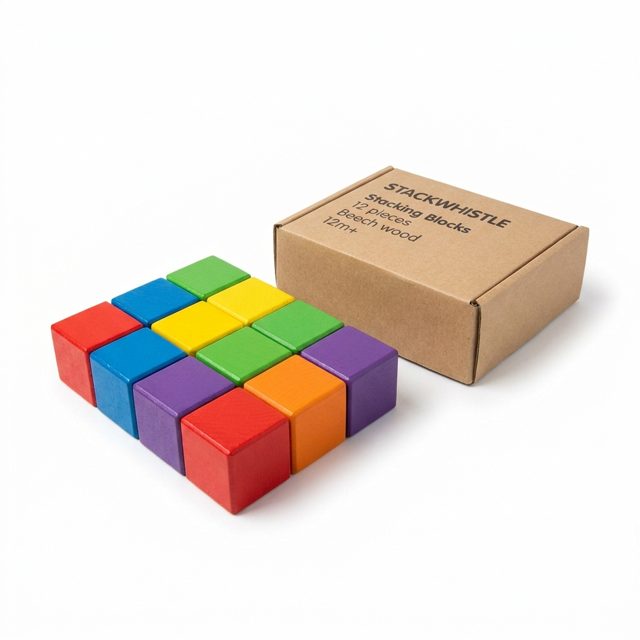 The model sees the photo and the supplier's copy.
Stackwhistle Wooden Stacking Blocks, 12 Pieces, Multicoloured
- ✓12 solid beech blocks, from 12 monthsPrinted on the box
- ✗"Safe for babies and toddlers"A safety claim nobody made: not the supplier, not the box.
- !"FSC-certified sustainable wood"From the supplier. Check the certificate first.
- !"Montessori-approved"From the supplier. An endorsement to verify.
Start with the decision, not the leaderboard.
- 01
Define
Agree what good looks like, and which failures must never ship.
- 02
Test
Run models and prompts on real work. Hard checks first, judgement only where needed.
- 03
Improve
Fix what the failures point to, then check the fix on cases held back.
- 04
Prove
A clear call to ship or not, with the evidence and its limits in plain view.
Choosing a model?
Results from 13 licensed sources + 5 of our own benchmarks, each with its method and limits.
Test the AI before your customers do.
Shipping AI in your product? We run the same kind of checks on it, and tell you what to fix first.
Findings and field notes.
-
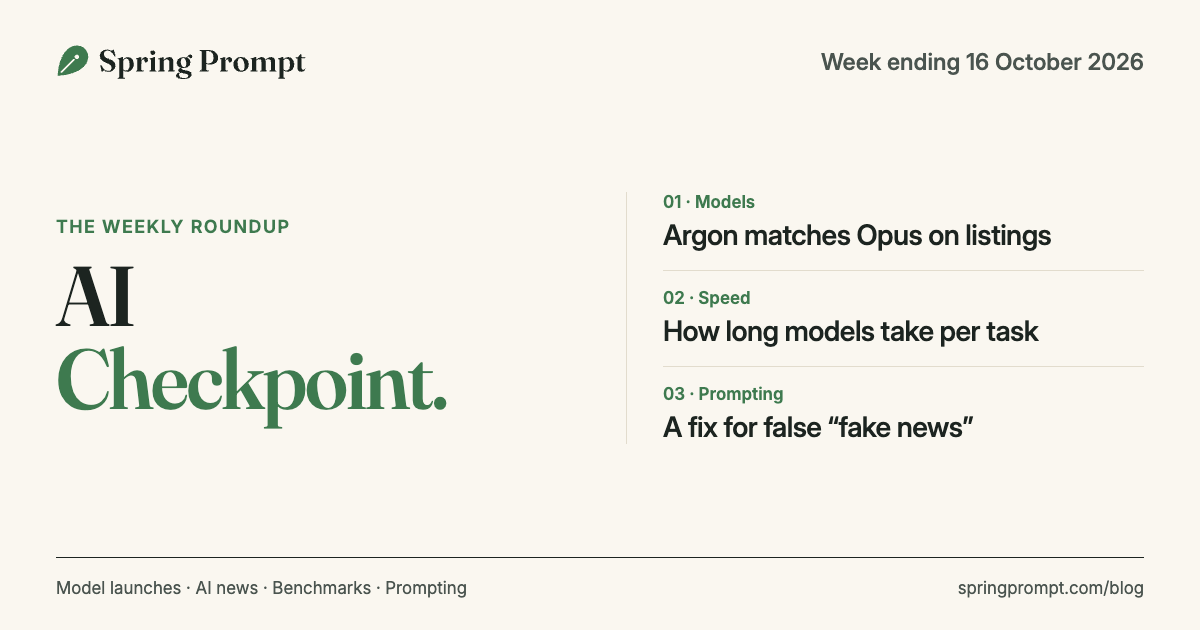 Benchmarks · · 4 min read
AI Checkpoint: Argon matches Opus, until it sells
Week ending 16 October: Gemini 4 Argon opens up, Muse Wonder arrives, Muse Spark Open ships open weights, how long models take per task, and a three-sentence fix for models that call real news fake.
-
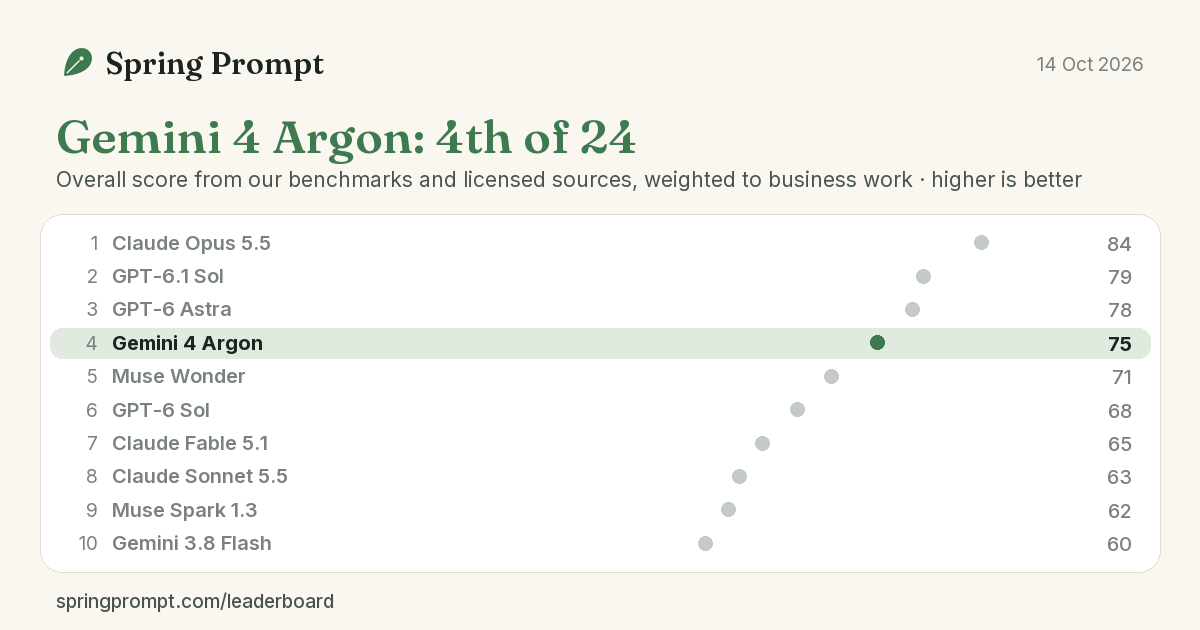 Model launches · · 8 min read
Gemini 4 argon review: Opus-level product data at a quarter of the cost, until you ask it to sell
We ran Gemini 4 Argon through six benchmarks on launch day. It matched Claude Opus 5.5 on product data at a quarter of the cost, then added five times as many unsupported claims when asked to sell.
-
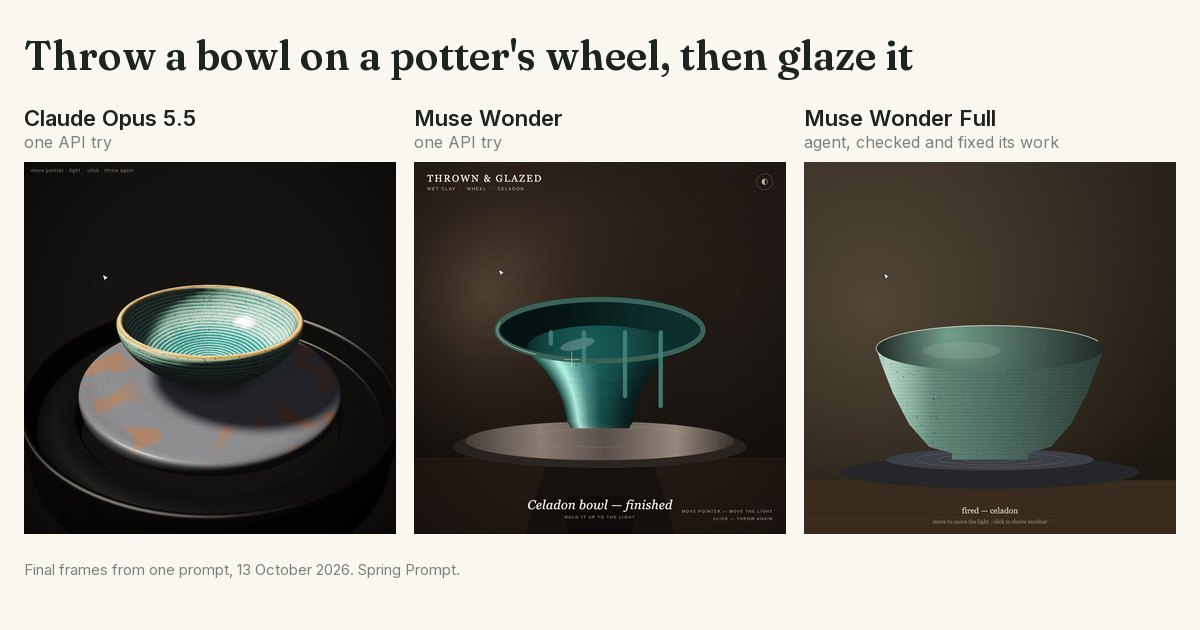 Model launches · · 6 min read
Claude Opus 5.5 vs Muse wonder full: Eight crafts, and Opus still wins most
We asked Claude Opus 5.5, Muse Wonder and Muse Wonder Full to make eight crafts in a web page, from a thrown bowl to an ice swan. Full closed part of the gap that standard Wonder left, with an agent and second chances. Opus still made the more convincing object in most of them.